
Food Process Line Engineering — Process Scope And Configuration
Guava Puree Line Engineering: Scope, Process and Configuration
Define a guava pulp or puree line around the incoming fruit, required finished texture and downstream product. Compare preparation, pulping and refinement on a common accepted-output basis before agreeing equipment and installation scope.
- industrial guava puree processing line
Project essentials
Start with the operating basis
Define the fruit and the product boundary
State whether the line receives whole fruit, prepared fruit or an existing pulp. Record variety, maturity, delivered condition and preparation already completed so bidders start from the same inlet specification.
Describe the intended puree or pulp, acceptable seed fragments, texture and downstream use. A seed-free description needs an agreed inspection method and acceptance criteria; it is not a performance guarantee supplied by a general equipment guide.
- Supply representative fruit lots and a written product specification.
- Identify where accepted output will be measured.
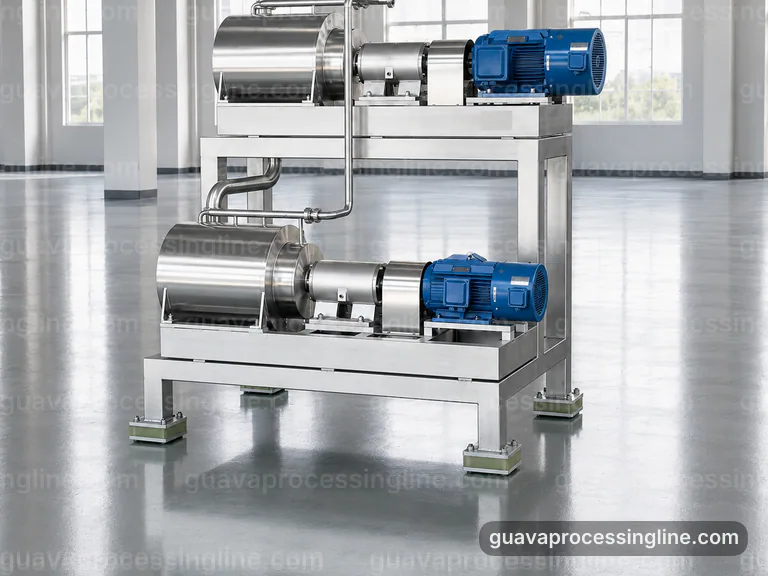
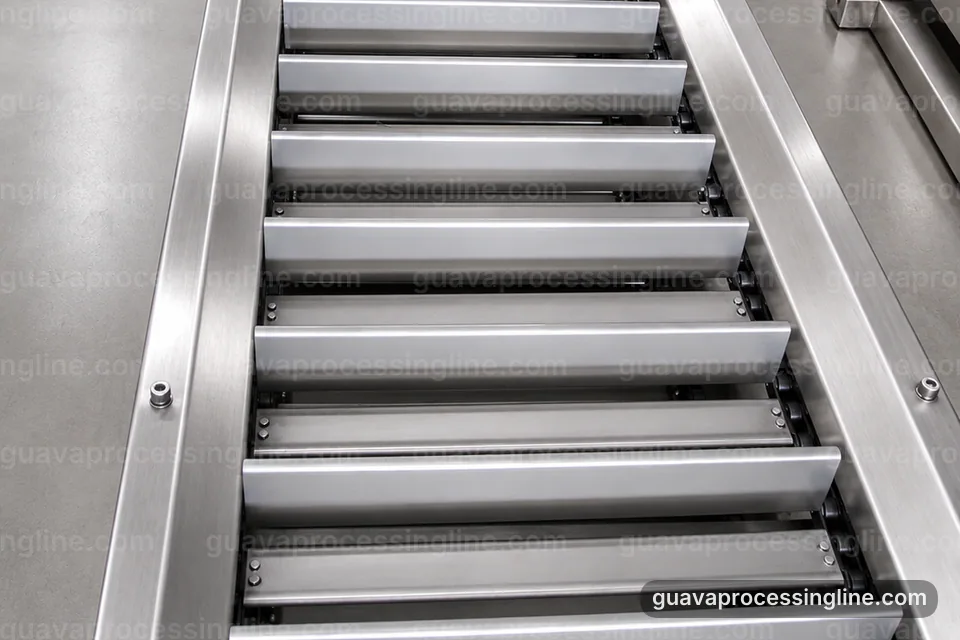
Compare pulping and refinement with representative feed
Ask the supplier to explain each proposed preparation and separation stage, including how seeds and rejected material leave the process. Review the proposed screening arrangement against the actual product requirement.
Assess recovered product and texture together in trials. Record feed mass, accepted product, rejects, additions and machine settings so a quoted recovery figure can be interpreted and checked.
- Include inspection access, screen servicing and cleaning in the equipment review.
- Do not compare raw-fruit throughput with finished-puree output.
Specify the complete downstream and supply scope
Identify the receiving process, package and intended storage conditions. Include transfer and holding requirements, and define any product treatment with the responsible process specialists and receiving equipment supplier.
Request an itemized supply list covering controls, cleaning provisions, plant services, installation, commissioning and acceptance records. Product stability and shelf life require an appropriate validated process and packaging route, not simply a list of connected machines.
- Assign excluded site work and interface responsibilities before layout approval.
- State the evidence and tests needed to accept the supplied line.